
DTG Printing
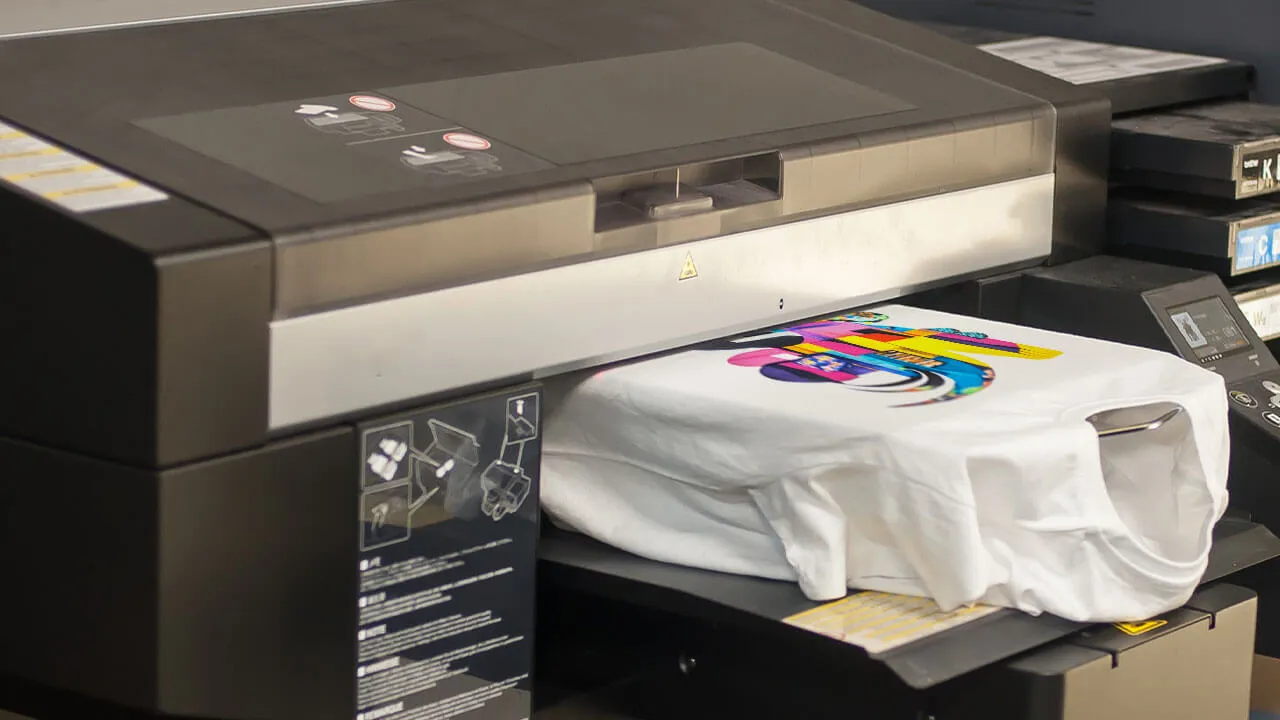
DTG Printing: Meaning, Process, Benefits, Limitations and Best Uses
DTG printing, also known as Direct-to-Garment printing, is a modern apparel printing method used to print designs directly onto fabric. It is commonly used for custom T-shirts, hoodies, tote bags, sweatshirts, fashion pieces, promotional wear, and personalized clothing. Unlike traditional methods such as screen printing, DTG printing works more like an inkjet printer, but instead of printing on paper, it prints directly on fabric using special textile inks.
DTG printing has become popular because it allows detailed, colourful, and high-resolution designs to be printed on garments without the need for large setup processes. This makes it a useful option for individuals, fashion brands, small businesses, print-on-demand sellers, event organizers, and anyone who wants custom clothing in small or medium quantities.
What Is DTG Printing?
DTG printing means Direct-to-Garment printing. It is a printing method where a digital design is printed directly onto fabric using a specialized garment printer. The printer applies water-based textile ink onto the garment, and the ink is absorbed into the fibres of the fabric.
This method is different from heat transfer, vinyl printing, embroidery, and screen printing. With DTG printing, the design does not sit heavily on top of the fabric like some transfer methods. Instead, the ink bonds with the fabric, giving the print a soft feel when done properly.
DTG printing is especially useful for complex designs that contain many colours, gradients, shadows, photographs, illustrations, and detailed artwork. Because the design is printed digitally, it does not require separate screens for each colour like screen printing.
How DTG Printing Works
The DTG printing process starts with a digital artwork file. The design is usually prepared on a computer using design software. The file must be clear, high-resolution, and properly sized for the garment.
Before printing, the garment may need to be treated with a special liquid called pretreatment. Pretreatment helps the ink bond properly with the fabric and improves colour brightness, especially when printing on dark garments.
After pretreatment, the garment is placed flat on the DTG printer’s platen. The printer then prints the design directly onto the fabric. Once printing is complete, the garment is cured using heat. Curing helps the ink dry properly and makes the print more durable.
The basic process is:
- Prepare the design
- Pretreat the garment if needed
- Load the garment into the DTG printer
- Print the design directly on the fabric
- Cure the ink using heat
- Inspect the final print
When each step is done correctly, DTG printing can produce sharp, colourful, and professional-looking apparel.
Best Fabrics for DTG Printing
DTG printing works best on cotton fabrics. The higher the cotton content, the better the print result usually becomes. This is because cotton absorbs the water-based ink more effectively than synthetic materials.
The best fabric options for DTG printing include:
100% cotton T-shirts
Cotton-rich blends
Premium combed cotton shirts
Ring-spun cotton garments
Cotton hoodies and sweatshirts
Cotton tote bags
DTG printing may not perform as well on polyester or very stretchy synthetic fabrics unless special inks, treatments, or printing methods are used. For polyester-heavy garments, sublimation or DTF printing may sometimes be a better option.
DTG Printing on Light and Dark Garments
DTG printing can be done on both light and dark garments, but the process is slightly different.
For light-coloured garments, the design can often be printed directly onto the fabric without a white ink base. This makes the process faster and usually more affordable.
For dark garments, white ink is usually printed first as an underbase. This white layer helps the colours appear bright and visible on the dark fabric. Without the white base, colours may look dull or disappear into the garment.
Because dark garments require pretreatment and white ink, DTG printing on black or dark-coloured shirts is usually more technical and may cost more than printing on white shirts.
Benefits of DTG Printing
One of the biggest advantages of DTG printing is that it is excellent for detailed designs. If your artwork includes photographs, fine lines, multiple colours, gradients, or complex illustrations, DTG printing can reproduce those details clearly.
Another benefit is that DTG printing is suitable for small quantities. Unlike screen printing, which often requires setup for each colour, DTG printing can produce one shirt or a small batch without heavy setup costs. This makes it useful for personalized shirts, custom gifts, sample designs, and print-on-demand businesses.
DTG printing also has a soft feel, especially when printed on quality cotton fabric. Since the ink enters the fibres of the garment, the print can feel smoother and less bulky than some vinyl or transfer prints.
It also allows fast design changes. Since the artwork is digital, you can print different names, numbers, graphics, or designs without creating new screens. This makes DTG printing ideal for custom orders.
Limitations of DTG Printing
Although DTG printing has many benefits, it is not perfect for every situation. One limitation is that it works best on cotton. If you want to print on polyester, nylon, or other synthetic fabrics, DTG may not be the best method.
Another limitation is that DTG printing may not be the cheapest option for very large bulk orders. For thousands of shirts with the same simple design, screen printing may be more cost-effective.
DTG printing also requires proper garment preparation. If the pretreatment is not applied correctly, the final print may look uneven, dull, or less durable. Poor curing can also affect wash resistance.
The quality of the final result depends on several factors, including the printer, ink quality, garment type, artwork resolution, pretreatment process, and curing method.
DTG Printing vs Screen Printing
DTG printing and screen printing are two popular methods for custom apparel, but they serve different needs.
Screen printing is a traditional method where ink is pushed through a mesh screen onto the fabric. Each colour in the design usually requires a separate screen. This makes screen printing very good for bulk production, especially when the design has few colours.
DTG printing, on the other hand, is digital. It prints the full design directly onto the garment without needing separate screens. This makes it better for small quantities, detailed designs, full-colour artwork, and personalized orders.
Screen printing is often better for very large orders and simple designs. DTG printing is often better for small orders, complex designs, photo prints, and designs with many colours.
DTG Printing vs DTF Printing
DTG and DTF are sometimes confused because both are modern apparel printing methods. However, they are different.
DTG prints directly onto the garment. DTF, which means Direct-to-Film, prints the design onto a special film first. The printed film is then transferred onto the garment using heat and adhesive powder.
DTG usually gives a softer feel on cotton garments because the ink is absorbed into the fabric. DTF can work on a wider range of fabrics, including cotton, polyester, blends, and some synthetic materials.
DTG is often preferred for premium cotton T-shirts and soft-feel prints, while DTF is popular for versatility and printing on different garment types.
DTG Printing vs Heat Transfer
Heat transfer printing involves printing or cutting a design onto transfer material and then using heat to press it onto fabric. This includes vinyl transfer, sublimation transfer, and other transfer methods.
DTG printing does not require a separate transfer sheet. The printer applies ink directly to the garment. This can make DTG prints feel softer than some heat transfer prints.
However, heat transfer methods can be useful for certain materials, sportswear, names, numbers, and promotional items. The best method depends on the garment, quantity, design, and purpose.
Best Uses of DTG Printing
DTG printing is suitable for many custom apparel projects. It is commonly used for:
Custom T-shirts
Fashion brand samples
Personalized shirts
Birthday shirts
Event shirts
Church shirts
School shirts
Corporate casual wear
Hoodies and sweatshirts
Cotton tote bags
Photo print shirts
Art-based clothing designs
Print-on-demand apparel
Limited edition fashion drops
It is especially useful when the design has many colours or when only a small quantity is needed.
Is DTG Printing Good for Clothing Brands?
DTG printing can be a good option for clothing brands, especially during the early stage of product testing. A fashion brand can print a few samples, test customer interest, take photos for marketing, and launch limited designs without producing hundreds or thousands of shirts upfront.
This helps reduce waste and allows designers to experiment with different concepts. For online clothing brands, DTG printing also supports print-on-demand business models, where items are produced only after customers place orders.
However, for very large clothing production, brands may compare DTG with screen printing, DTF, or other methods to determine which one gives the best cost and finish.
How Long Does DTG Printing Last?
The durability of DTG printing depends on the quality of the garment, ink, pretreatment, curing, and washing method. A well-produced DTG print on good cotton fabric can last through many washes if handled properly.
To help DTG prints last longer, garments should be washed inside out, preferably with mild detergent. Harsh washing, bleach, excessive heat, and rough handling can reduce print quality over time.
Like most printed apparel, proper care is important. Even high-quality prints can fade faster if the garment is washed carelessly.
How to Care for DTG Printed Shirts
To maintain DTG printed shirts, it is better to wash them inside out. Cold or mild-temperature washing is usually safer than very hot water. Avoid bleach and strong chemicals. When drying, avoid excessive heat because too much heat can affect the print.
Ironing should not be done directly on the printed area. If ironing is necessary, turn the shirt inside out or place a protective cloth over the design.
These simple care steps can help preserve the colour and feel of the print.
What Makes a Good DTG Print?
A good DTG print should look sharp, colourful, balanced, and properly positioned on the garment. The design should not look blurry or faded. The print should feel smooth and should not crack easily after proper curing.
Good DTG output depends heavily on the quality of the artwork. A low-resolution image may produce a poor print, even if the printer is good. This is why high-quality artwork is important.
Fabric quality also matters. A cheap or rough cotton shirt may not produce the same result as a smooth, premium cotton shirt. Pretreatment and curing must also be done correctly.
Artwork Requirements for DTG Printing
For the best DTG printing result, artwork should be created in high resolution. A resolution of 300 DPI is commonly recommended for print-quality designs. The artwork should be sized correctly for the shirt area and saved in a suitable format such as PNG, PSD, TIFF, or high-quality PDF, depending on the printer’s requirements.
Transparent background PNG files are commonly used for T-shirt designs, especially when the design should not have a box or background colour around it.
If the design contains text, the text should be clear and properly aligned. Small text may not print well if it is too tiny or low-resolution.
Is DTG Printing Expensive?
The cost of DTG printing depends on several factors, including garment type, print size, number of colours, whether the shirt is light or dark, artwork complexity, quantity, and production quality.
DTG printing may cost more per shirt than bulk screen printing when producing very large quantities. However, it can be more affordable for small quantities because there is no need for screen setup.
For one-off shirts, samples, limited editions, and custom designs, DTG printing can be a practical option because it allows flexibility.
Is DTG Printing Eco-Friendly?
DTG printing is often considered more eco-friendly than some traditional printing methods because it commonly uses water-based inks and produces less setup waste. Since it is suitable for print-on-demand, it can also reduce overproduction.
However, the environmental impact depends on the ink, garment source, production process, energy use, and waste management. Choosing quality garments and printing only what is needed can help reduce waste.
Common Problems in DTG Printing
Some common DTG printing problems include dull colours, poor wash durability, uneven prints, pretreatment stains, blurry artwork, incorrect placement, and poor curing. These problems usually happen when the process is not properly controlled.
For example, dull colours may result from poor pretreatment, low-quality ink, or unsuitable fabric. Poor wash durability may happen when the ink is not cured correctly. Blurry prints may come from low-resolution artwork.
This is why DTG printing requires both the right equipment and proper technical handling.
Future of DTG Printing
DTG printing continues to grow as more people demand personalized clothing, small-batch fashion, print-on-demand products, and custom merchandise. As technology improves, DTG printers are becoming faster, more accurate, and more capable of producing professional results.
The rise of online fashion brands, social media shops, personal branding, and custom apparel businesses has made DTG printing more relevant. It allows people to turn digital designs into wearable products without needing very large production runs.
Conclusion
DTG printing is a modern and flexible garment printing method that allows full-colour designs to be printed directly onto fabric. It is best known for detailed artwork, small quantity printing, soft-feel prints, and custom apparel production.
It works best on cotton and cotton-rich fabrics, making it a strong option for T-shirts, hoodies, tote bags, and fashion items. While it may not always be the cheapest choice for very large bulk orders, it is excellent for personalized clothing, samples, limited editions, and print-on-demand businesses.
For anyone researching custom T-shirt printing, fashion printing, or apparel branding, understanding DTG printing is important. It helps you know when to use it, what to expect, and how to get the best result from your design and garment choice.
Frequently Asked Questions About DTG Printing
What does DTG printing mean?
DTG printing means Direct-to-Garment printing. It is a method of printing designs directly onto fabric using a specialized garment printer and textile ink.
Is DTG printing good for T-shirts?
Yes, DTG printing is very good for T-shirts, especially cotton T-shirts. It is suitable for detailed, colourful, and personalized designs.
Does DTG printing last long?
DTG printing can last long when produced correctly and washed properly. The durability depends on fabric quality, ink quality, pretreatment, curing, and garment care.
Is DTG better than screen printing?
DTG is better for small quantities, detailed designs, and full-colour artwork. Screen printing is usually better for large bulk orders and simple designs with fewer colours.
Can DTG printing be used on black shirts?
Yes, DTG printing can be used on black shirts, but it usually requires pretreatment and a white ink underbase so that the design colours appear bright.
What fabric is best for DTG printing?
Cotton is the best fabric for DTG printing. 100% cotton or high-cotton blends usually produce the best results.
Is DTG printing good for clothing brands?
Yes, DTG printing is useful for clothing brands that want to test designs, produce small batches, create limited editions, or run print-on-demand apparel.